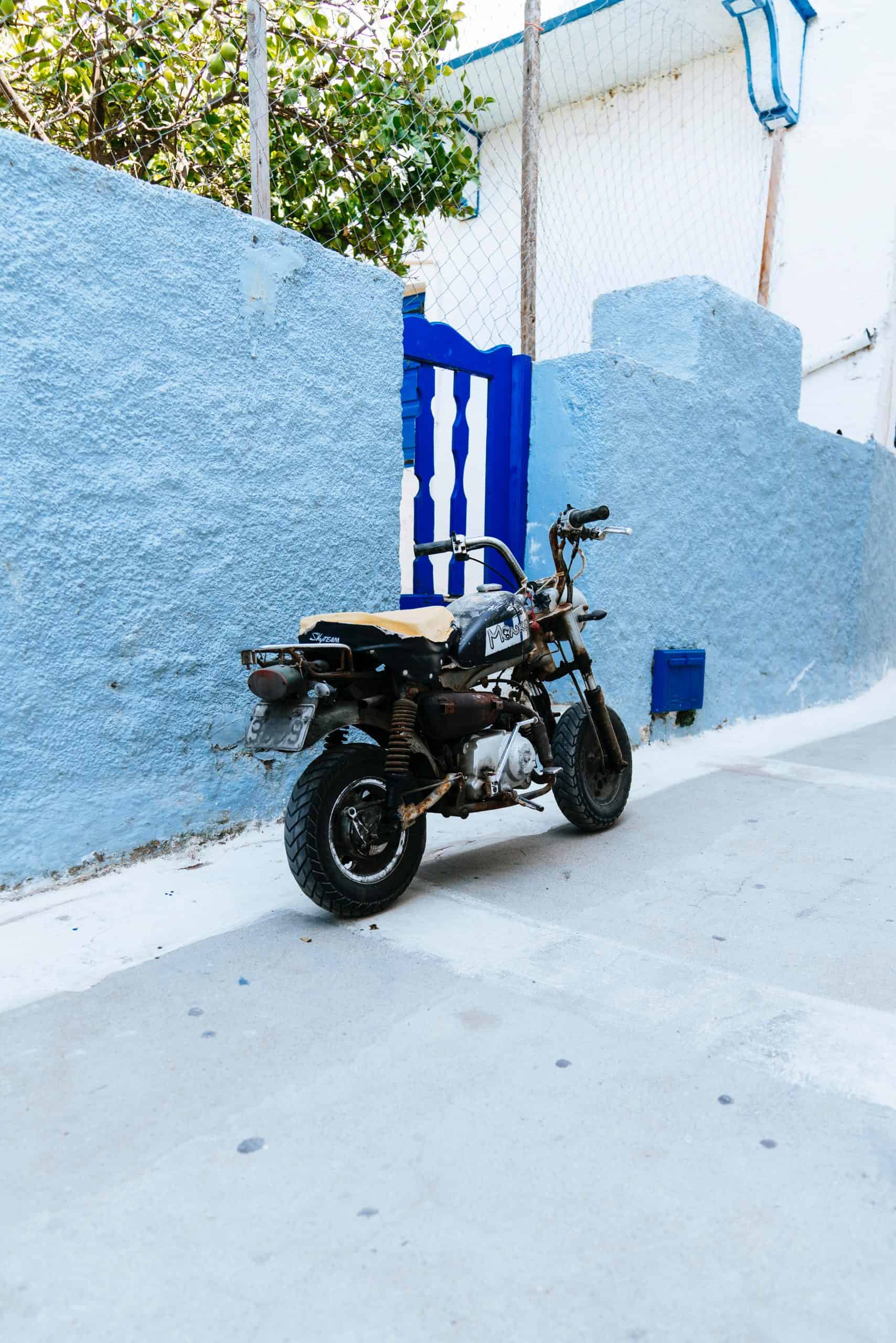
Buying a used motorcycle is a lottery that can turn out to be both a pleasant opportunity to save money and a loss of a lot of money and nerves. In order not to get into a mess, you need to correctly assess not so much the condition of the bike as the risk that you are not slipping something not quite worthy of attention, but thoroughly “powdered”.
BEFORE STARTING
Motorcycle seller
As a rule, the appearance and behavior of the previous owner can tell a lot: what is the owner, so is the exploitation. Unkempt motorcyclists ignorant of basic technical features, as a rule, do not pay due attention to maintenance, repair and operating conditions of the bike. You should also avoid sellers who do not inspire confidence or are punctured by any false information regarding the condition of the vehicle.
Indirect signs of frequent falls
Peeled arcs and crashes, touch-ups, stickers in the most obvious places indicate that the bike has often fallen (hidden damage is possible). If the seller denies this, then he has something to hide. It is normal for the bike to have one or two fall marks. This is not critical.
Indicator lights
When switching on the ignition, pay attention to the operability of the control lamps / pictograms of the instrument panel. Some of them can be disabled to avoid showing a fault when the engine is running. If the control lamp for a certain unit or function is disabled, check this place especially carefully.
Consumables
Check the condition of the consumables visually. First of all, pay attention to brake pads / discs, sprockets and chain, color and consistency of engine oil, presence of chips in the operating fluids, etc. Cheap or worn parts indicate that the owner saved on maintenance. This attitude towards the bike will definitely show itself in the future.
Tires
Check the tires for “toasty” zones (burnout is very bad: tires can be changed, but the bike was “hot” – transmission, clutch and engine suffered). The sidewalls (edges, sides) of the tires are erased – the owner likes to drive aggressively (in turns). Check the sidewalls for cracks and bumps: riding with them indicates a devil-may-care attitude towards yourself and the bike. Uneven rubber wear is possibly associated with a violation of the frame geometry, poor condition of the forks and shock absorbers.
Rims
Just roll the hanging wheel slowly to visually determine if the geometry is broken. Curved discs indicate that the motorcycle has been bouncing on curbs or driving on bad roads.
LAUNCH
Cold start
Starting a cold engine can cause sores to appear that are invisible at normal operating temperatures. In order not to be deceived, it is better to check the temperature of the engine and muffler by touch (be careful not to burn yourself). The engine starts in normal condition with half a turn. If in the first moments of work you hear blows, clanking and other extraneous sounds – this should alert. You can also learn a lot about the engine from the condition of the spark plugs. There is a lot of visual information on how to do this in the same YouTube.
AFTER STARTING
Test Drive
Driving along different roads is the most important thing. During a test drive, it is easier to understand how the bike steers, how the engine and transmission work in different modes. When riding another motorcycle, always check the brakes at low speeds, otherwise you may get into trouble. During a test drive, open the visor to better hear and smell the engine sound.
Much of the above is true for powerful, expensive bikes that are expensive to repair unless you notice a breakdown from the very beginning. Some malfunctions are a trifle and can be fixed for a penny, but by identifying them, you can check the veracity of the seller and his previous description of the condition of the bike. The key is to make your buying decision based on the general conclusions that you will draw from the motorcycle inspection process.

Comments are closed.